10 Surprising Business Sectors in Austria Feeling the Heat from Climate Change

Climate change is not just a future concern; it's a reality influencing various industries in Austria right now. As temperatures rise and weather becomes less predictable, several business sectors are feeling the effects. This blog post highlights ten sectors in Austria experiencing significant impacts from climate change, showcasing the challenges they face and the steps they are taking to adapt.
1. Agriculture
Agriculture is one of the most vulnerable sectors to climate change. In Austria, farmers have reported changes in growing seasons, increased pest populations, and unpredictable weather. For instance, a study by the Austrian Agricultural Research Institute found that crop yields could decrease by 20% by 2040 due to these shifts.
To tackle these challenges, many farmers are investing in climate-resilient crops, such as drought-resistant varieties, and advanced irrigation techniques. This proactive approach is crucial for maintaining productivity and minimizing costs.
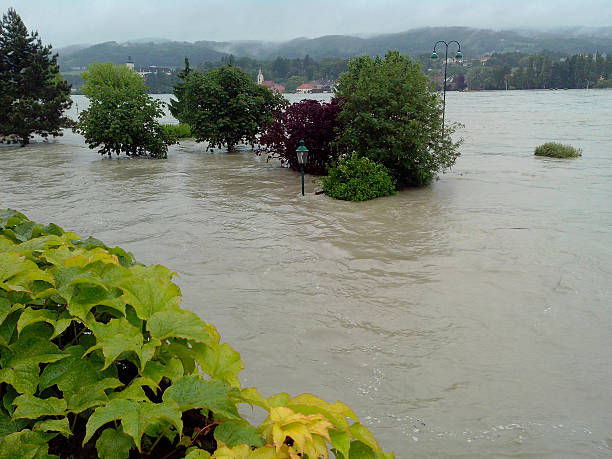
2. Tourism
Austria’s breathtaking landscapes and winter sports attract millions of tourists each year. However, climate change poses a threat to the ski industry due to shorter winters and reduced snowfall. According to recent forecasts, ski resorts may see a loss of up to 50% of their operating days by 2050.
In response, tourism operators are diversifying activities, incorporating summer hiking, cycling tours, and eco-friendly travel options to attract visitors year-round.
3. Energy
The energy sector is undergoing major changes as Austria strives for renewable energy sources. However, climate change has introduced challenges, including extreme weather events that can disrupt energy production and distribution. For example, severe storms can damage wind turbines and solar power systems, leading to temporary shut-downs.
To combat these risks, companies are upgrading their infrastructure and exploring innovative solutions like energy storage systems, which can ensure a stable energy supply even during adverse weather conditions.

4. Insurance
The insurance industry is feeling the heat as climate-related disasters occur more frequently and intensively. Data from the Austrian Insurance Association shows that natural disaster claims have increased by over 50% in the last decade, leading to higher premiums and changes in policy coverage.
To adapt, insurance companies are developing new products specifically aimed at addressing climate risks and encouraging sustainable practices among policyholders. These innovations help both insurers and clients manage emerging challenges.
5. Construction
Climate change significantly impacts the construction sector. Rising temperatures can affect building materials and methods, while extreme weather can lead to costly project delays. For instance, construction costs could rise by up to 30% due to increased demand for climate-proof materials and designs.
In response, builders are prioritizing sustainable construction practices. Techniques like energy-efficient designs and using materials that withstand harsh climate conditions are becoming standard practice.
6. Forestry
Forestry faces serious challenges from climate change, with increased temperatures and changing rainfall patterns threatening forest health. In fact, Austria's forests have experienced a rise in bark beetle infestations, which have damaged thousands of hectares.
To counter these issues, forestry companies are adopting sustainable management practices. Initiatives include selecting tree species resilient to climate change and employing mixed forest strategies to improve overall forest health and biodiversity.

7. Fisheries
Fisheries are experiencing significant shifts in fish populations and migration patterns due to changing water temperatures. A report from the Fisheries Institute shows that many fish species, including trout, are moving higher in altitude or disappearing from traditional fishing areas, which can lead to economic instability for fishing communities.
To adapt, fishermen are diversifying their catch and implementing sustainable fishing practices. This approach not only helps to protect fish stocks but also ensures the long-term viability of their businesses.
8. Transportation
The transportation sector faces increasing pressure to minimize emissions while adapting to climate change challenges. Extreme weather can disrupt networks, leading to delays and rising costs. For example, heavy rains can close roads and damage rail tracks, which can increase transportation costs by up to 15%.
To create more resilient systems, companies are investing in greener technologies, such as electric vehicles, and improving infrastructure to withstand climate impacts.
9. Real Estate
Real estate is being influenced by climate change as property values can decline due to environmental risks. For instance, regions prone to flooding or wildfires may see a 25% drop in demand within a decade. Conversely, properties built with sustainable features are becoming more attractive.
To mitigate risks, real estate developers are focusing on sustainable building practices and conducting thorough location assessments. This approach helps them create properties that are appealing and safer for future buyers.
10. Retail
The retail sector is not exempt from the effects of climate change. Extreme weather can disrupt supply chains, causing product shortages and rising costs. A recent study found that 70% of retailers faced supply chain delays linked to climate impacts in the past year.
To adapt, retailers are exploring local sourcing options and implementing sustainable practices. This shift not only reduces their carbon footprint but also helps to stabilize their supply chains.
Moving Forward Together
As we’ve seen, climate change is affecting a wide range of business sectors in Austria, from agriculture to retail. The challenges are significant, but many companies are adapting by adopting innovative practices and sustainable solutions.
Understanding these impacts is vital for businesses navigating the changing landscape and securing their future. By fostering sustainability and resilience, these sectors can not only survive but thrive in a world increasingly shaped by climate change.
Collective collaboration and knowledge sharing across all sectors will be crucial in effectively combating climate change. The future of Austrian businesses—and indeed, the planet—depends on our joint efforts.


Comments